
Efficacy profile
The ADAPT phase 3 clinical trial and ADAPT+ open-label extension study design1,2
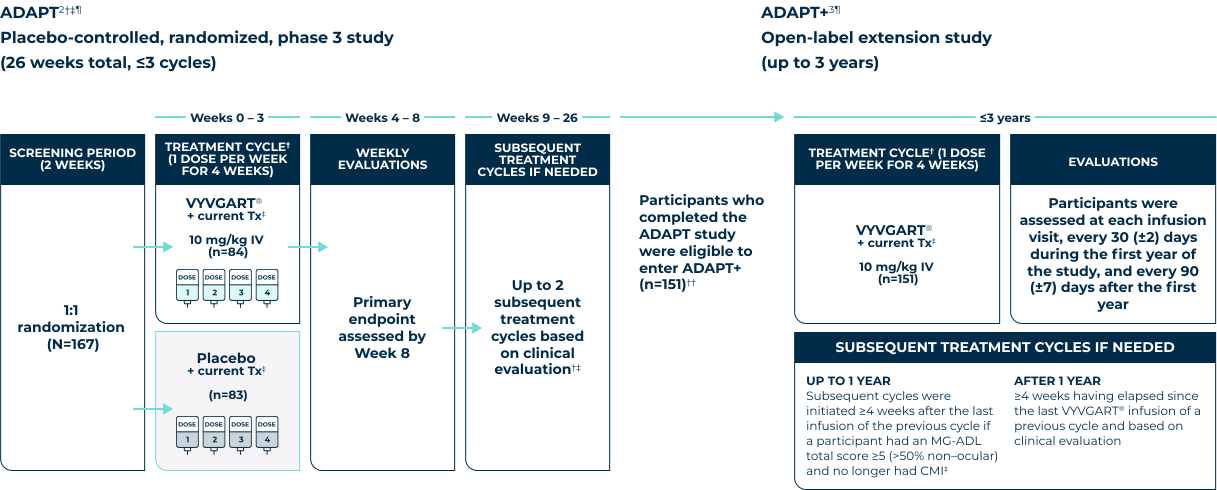
The primary endpoint in ADAPT was the proportion of AChRAb+ patients who were MG-ADL responders in the first treatment cycle.1
MG-ADL responders were defined as:1
- ≥2-point reduction in the total MG-ADL score compared to the treatment cycle baseline
- Response sustained for ≥4 weeks
- First reduction occurring no later than 1 week after the last infusion of the cycle
The secondary endpoint in ADAPT was the proportion of AChRAb+ patients who were QMG responders in the first treatment cycle.1
QMG responders were defined as:1
- ≥3-point reduction in the total QMG score compared to the treatment cycle baseline
- Response sustained for ≥4 weeks
- First reduction occurring no later than 1 week after the last infusion of the cycle
AChRAb+=acetylcholine receptor antibody-positive; CMI=clinically meaningful improvement; gMG=generalized Myasthenia Gravis; MG-ADL=Myasthenia Gravis Activities of Daily Living; QMG=Quantitative Myasthenia Gravis; Tx=treatment.
| † | All patients received an initial cycle, with subsequent cycles administered based on individual clinical evaluation when their MG-ADL score was at least 5 (with >50% MG-ADL non-ocular) and if the patient was an MG-ADL responder, when they no longer had a CMI compared to baseline. The minimum time between treatment cycles, specified by study protocol, was 4 weeks from the last infusion. A maximum of 3 cycles were possible in the 26-week study.2 |
| ‡ | CMI is defined as having ≥2-point improvement in total MG-ADL score.2 |
| § | All patients received stable doses of their current gMG treatment.2 |
| ¶ | Participants requiring rescue therapy in ADAPT and in Year 1 of ADAPT+ were discontinued from the study. Participants requiring rescue therapy in Years 2 and 3 of ADAPT+ were not discontinued.2 |
| †† | Participants who were eligible for a treatment cycle but could not complete the cycle by Week 26 of ADAPT were also eligible to enroll in ADAPT+.2 |
The ADAPT trial population represented a range of adults with gMG
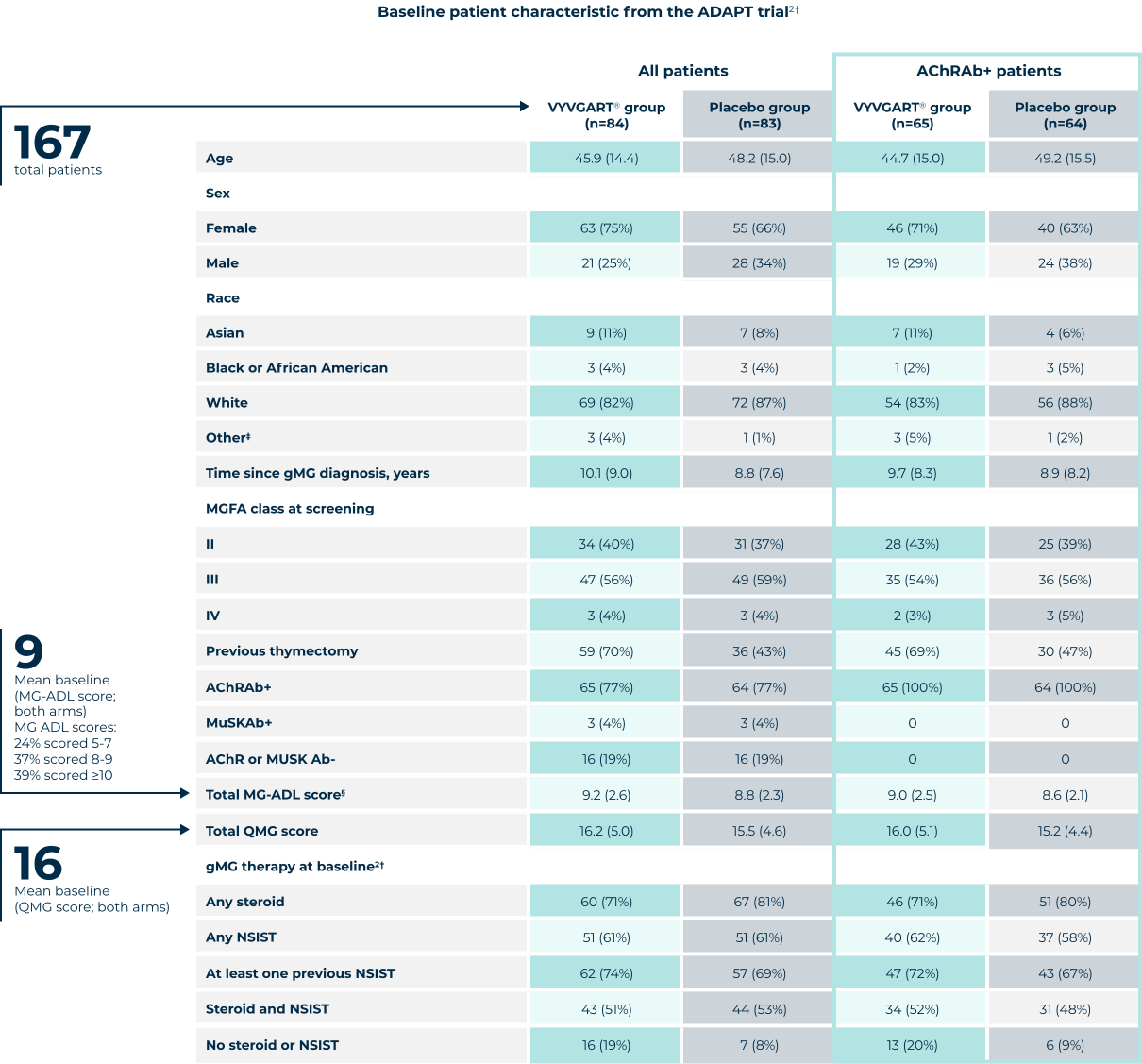
The five most prevalent comorbidities at baseline (overall population):2¶
- Hypertension (28%)
- Depression (13%)
- Diabetes Mellitus (10%)
- Osteoporosis (9%)
- Gastroesophageal reflux disease (9%)
AChRAb+=acetylcholine receptor antibody-positive; gMG=generalized Myasthenia Gravis; MG-ADL=Myasthenia Gravis Activities of Daily Living; MGFA=Myasthenia Gravis Foundation of America; MuSK=Muscle specific kinase; QMG=Quantitative Myasthenia Gravis; NSIST=non-steroidal immunosuppressant therapy.
| † | Data are mean (SD) or n (%). |
| ‡ | Includes American Indian or Alaska Native (n=2) and multiple (n=1) for the efgartigimod group, and not reported for the placebo group (n=1).2 |
| § | MG-ADL total score of ≥5 required at screening.2 |
| ¶ | Conditions shown represent the 5 most prevalent comorbidities reported by investigator at baseline in the ADAPT clinical trial (N=167).2 |
ADAPT efficacy data
VYVGART® improved daily function and reduced muscle weakness in significantly more patients vs. placebo2
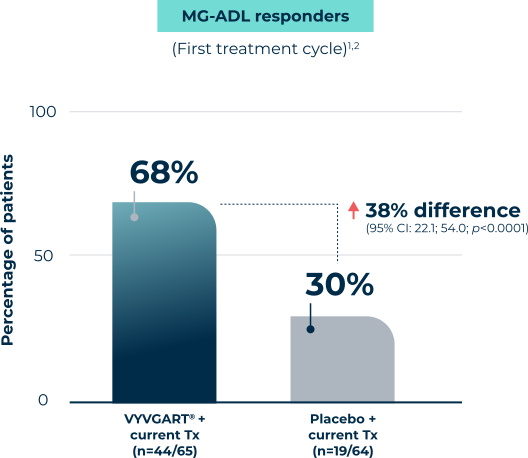
Significantly more patients treated with VYVGART® were MG-ADL responders vs. placebo (AChRAb+ patients; primary endpoint)2
MG-ADL responders were defined as:1
- ≥2-point reduction in the total MG-ADL score compared to the treatment cycle baseline
- Response sustained for ≥4 weeks
- First reduction occurring no later than 1 week after the last infusion of the cycle
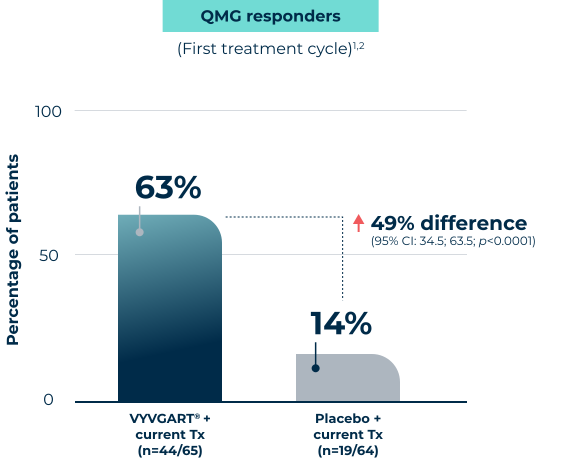
Significantly more patients treated with VYVGART® were QMG responders vs. placebo (AChRAb+ patients; secondary endpoint)2
QMG responders were defined as:1
- ≥3-point reduction in the total QMG score compared to the treatment cycle baseline
- Response sustained for ≥4 weeks
- First reduction occurring no later than 1 week after the last infusion of the cycle
AChRAb+=acetylcholine receptor antibody-positive; MG-ADL=Myasthenia Gravis Activities of Daily Living; QMG=Quantitative Myasthenia; Tx=treatment.
Mean change in MG-ADL from baseline following the first treatment cycle in ADAPT (AChRAb+ patients)1
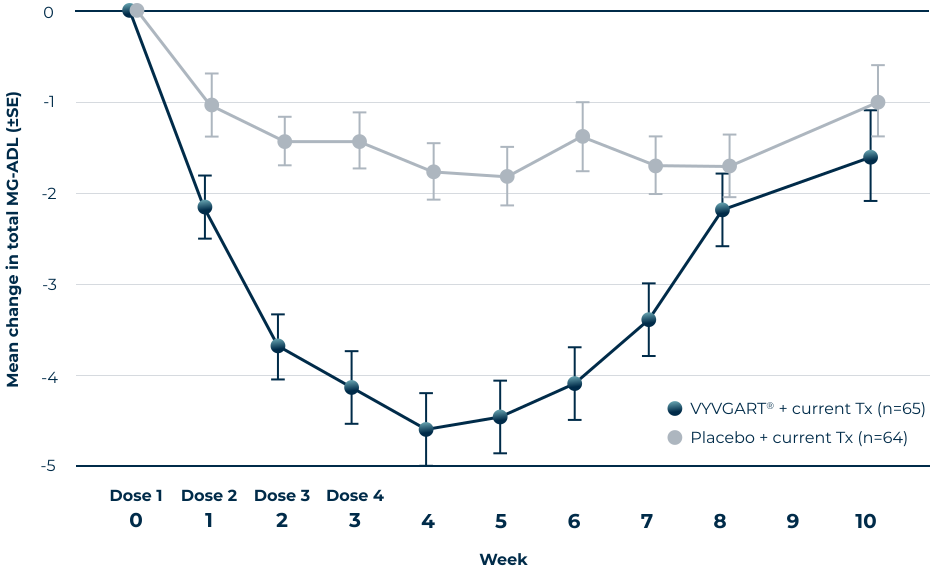
Adapted from the VYVGART® Product Monograph.
AChRAb+=acetylcholine receptor antibody-positive; MG-ADL=Myasthenia Gravis Activities of Daily Living; SE=standard error; Tx=treatment.
MG-ADL response with VYVGART® followed a similar time course as reductions in IgG and AChR Ab levels2
Consistent reductions in total IgG levels and AChR Abs were observed for both the AChRAb+ and overall populations (Cycle 1, AChRAb+)
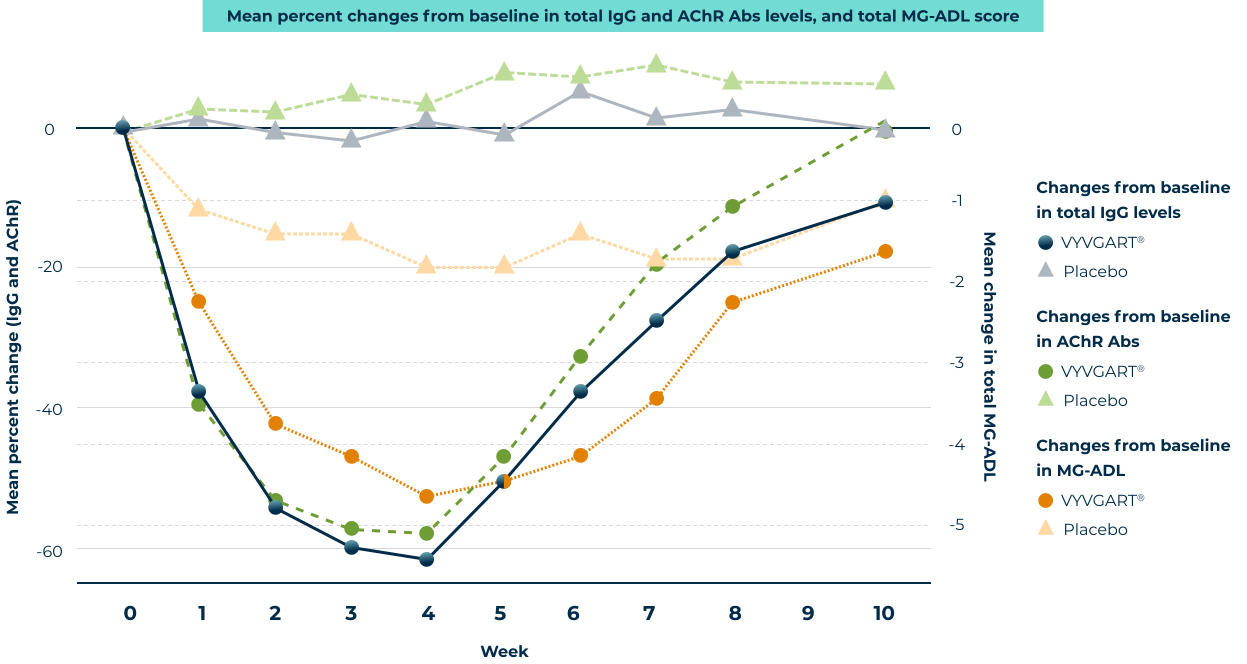
AChR=acetylcholine receptor; AChRAb+=acetylcholine receptor antibody-positive; IgG=immunoglobulin G; MG-ADL=Myasthenia Gravis Activities of Daily Living.
Patients treated with VYVGART® achieved higher levels of improvement vs. placebo at Week 42
Proportion of AChRAb+ patients with increasing thresholds of MG-ADL improvement2†
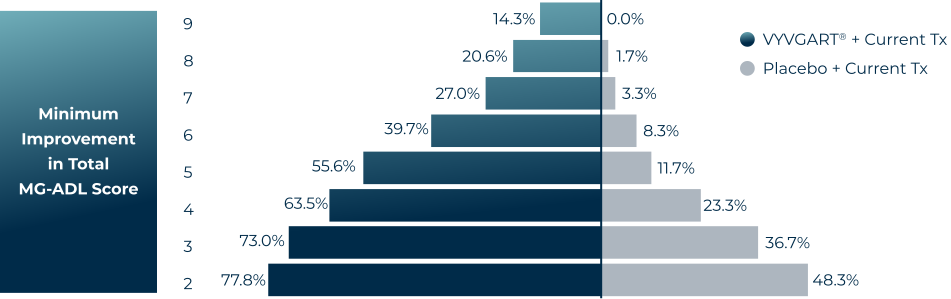
Patients treated with VYVGART® reported up to a 9-point reduction in their MG-ADL scores.2†
AChRAb+=acetylcholine receptor antibody-positive; MG-ADL=Myasthenia Gravis Activities of Daily Living; Tx=treatment.
† Four weeks after the initial infusion of the first treatment cycle.
Exploratory endpoint: Early response data by Week 2 during the first treatment cycle for patients treated with VYVGART® (AChRAb+ patients)2†
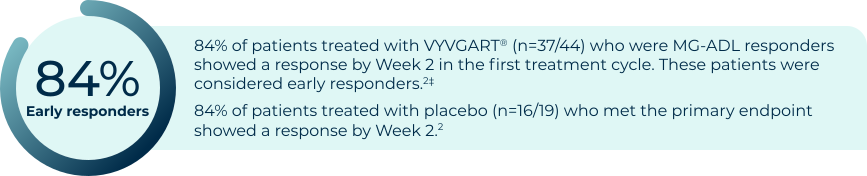
Study limitations: Percentage of early responders (response by Week 2) in AChRAb+ patients treated with VYVGART® was a prespecified descriptive exploratory analysis not controlled for multiplicity and not powered; therefore, data should be interpreted with caution and conclusions cannot be drawn.2
AChRAb+=acetylcholine receptor antibody-positive; MG-ADL=Myasthenia Gravis Activities of Daily Living.
| † | Patients were treated with VYVGART® + current treatment, or placebo + current treatment.2 |
| ‡ | MG-ADL early response was defined as a ≥2-point reduction in the total MG-ADL score compared to the treatment cycle baseline for at least 4 consecutive weeks during the first treatment cycle (by Week 8), with the first reduction occurring no later than 1 week after the scheduled second infusion (Week 2).2 |
Exploratory endpoint: Percentage of AChRAb+ patients that achieved Minimal Symptom Expression (MSE)2
The term MSE is used to describe an MG-ADL score of 0 or 12
If a person living with gMG achieves MSE, it means they are experiencing little to no gMG symptoms.
If a person living with gMG achieves MSE, it means they are experiencing little to no gMG symptoms.
Study limitations: Percentage of anti-AChR antibody positive patients with MSE was a prespecified descriptive exploratory analysis not controlled for multiplicity and not powered; therefore, data should be interpreted with caution and conclusions cannot be drawn.2
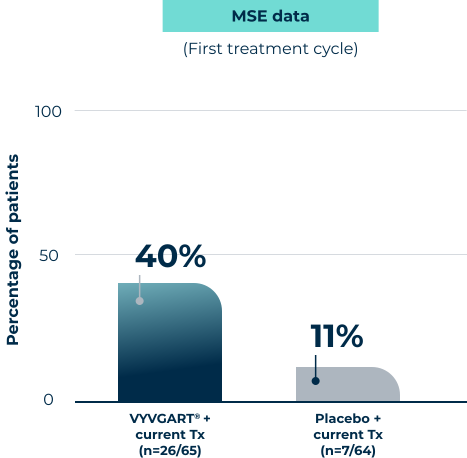
AChRAb+=acetylcholine receptor antibody-positive; MG-ADL=Myasthenia Gravis Activities of Daily Living; Tx=treatment.
ADAPT+ efficacy data
VYVGART® demonstrated sustained benefit in patients with gMG in ADAPT+3†‡
Long-term clinically meaningful improvement in MG-ADL and QMG scores was consistently observed with VYVGART® in ADAPT+ (AChRAb+ patients)3†‡

>90% of patients had a maximum reduction of ≥2 points (CMI) at any time point in each of the first 10 treatment cycles.3†
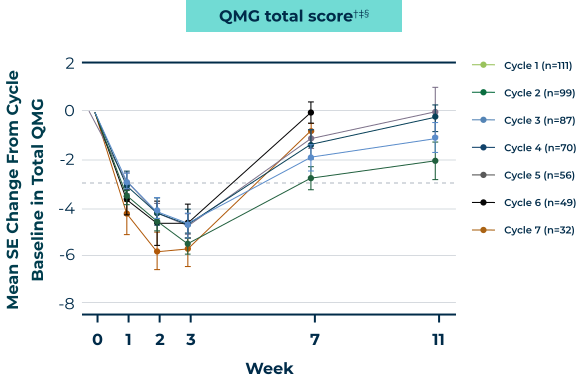
69.4% to 91.3% of patients demonstrated a maximum reduction of ≥3 points (CMI) across the 7 cycles in which QMG was measured.3†‡
The annualized mean number of cycles was 4.7 cycles per year (median [range] 5.0 [0.5–7.6]).3§
Study limitations: ADAPT+ is a single arm, open-label study. Endpoint assessments were taken at different (or fewer) timepoints than ADAPT. Results should not directly be compared to ADAPT. Change in MG-ADL and QMG score were prespecified descriptive exploratory analyses not controlled for multiplicity and not powered. Data should be interpreted with caution, and conclusions cannot be drawn.
AChRAb+=acetylcholine receptor antibody-positive; CMI=clinically meaningful improvement; gMG=generalized Myasthenia Gravis; MG-ADL=Myasthenia Gravis Activities of Daily Living; QMG=Quantitative Myasthenia Gravis; SE=standard error.
In ADAPT+, mean total IgG levels decreased with maximum reductions observed at Week 3 and reached baseline between Weeks 7-113
IgG monitoring is not required before or during VYVGART® treatment.3
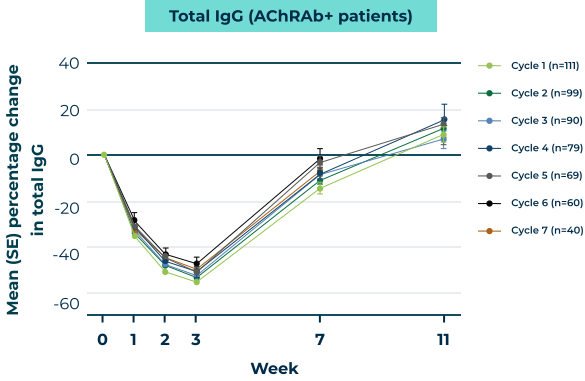
AChRAb+=acetylcholine receptor antibody-positive; CMI=clinically meaningful improvement; gMG=generalized Myasthenia Gravis; IgG=immunoglobulin G; MG-ADL=Myasthenia Gravis Activities of Daily Living; QMG=Quantitative Myasthenia Gravis.
| † | Mean change from cycle baseline in MG-ADL total score, by cycle. Only timepoints with ≥3 participants are included.3 |
| ‡ | Data for Week 11 were not graphed for Cycles 6 and 7 because they were unavailable.4 |
| § | In AChR antibody-positive participants (N=95) with ≥1 year of combined follow-up between ADAPT and ADAPT+.3 |
Consider VYVGART® for symptomatic AChRAb+ gMG patients prior to IVIg2
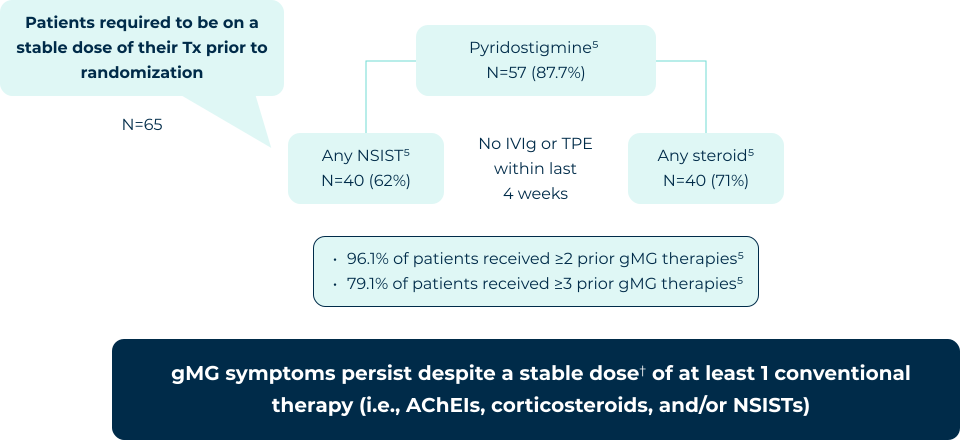
AChRAb+=acetylcholine receptor antibody-positive; AChEI=acetylcholine esterase inhibitor; gMG=generalized Myasthenia Gravis; IVIg=intravenous immunoglobulin; NSIST=nonsteroidal immunosuppressive therapy (NSISTs included azathioprine, cyclosporine, cyclophosphamide, methotrexate, mycophenolate mofetil, and tacrolimus); TPE=therapeutic plasma exchange.
| † | Stable dose=adequate trial as determined by treating physician of at least 1 AChEIs, corticosteroids, &/or NSISTs in previous 12 months. |
Post hoc analyses
Mean change in QMG score sustained for 64 weeks (post hoc analyses of ADAPT and ADAPT+)4
Adapted from Dewilde, et al. 2024.
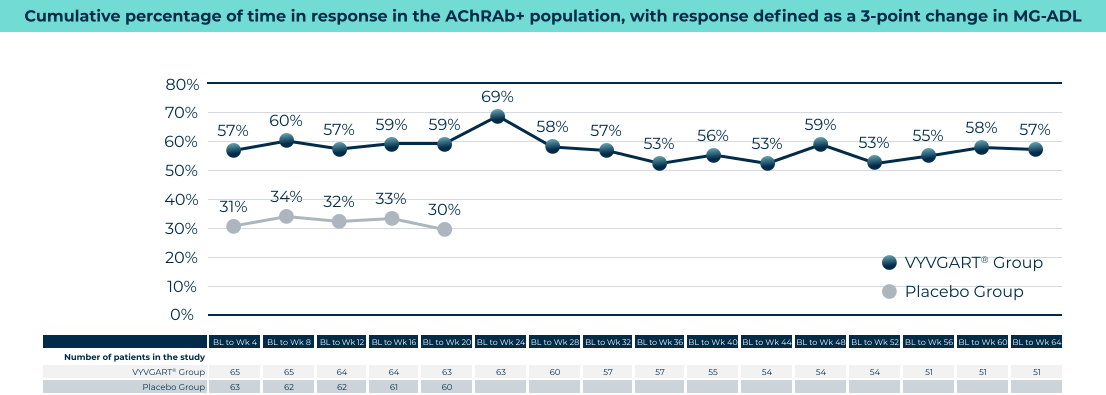
- VYVGART® group spent a substantially greater percentage of time in response across all observed treatment cycles during the ADAPT study.
- Percentage of time spent in response in the first 20 weeks was 2.37 times greater (95% CI: 1.49, 3.78) for the VYVGART® group (p=0.0034 from beta regression model).
- Extending the analysis period for efgartigimod to 64 weeks (by incorporating both ADAPT and ADAPT+ data) demonstrated that this effect was sustained in the long-term, with 56% of the time spent in response.
The clinical benefit of VYVGART® was sustained over repeat treatment cycles and maintained over 64 weeks.4
Study limitations: This post hoc analyses of ADAPT and ADAPT+ is exploratory, and therefore, conclusions cannot be drawn.
Data should be interpreted with caution as the assessment frequency and other aspects of the trial design limit the analysis.
AChRAb+=acetylcholine receptor antibody-positive; MG-ADL=Myasthenia Gravis Activities of Daily Living; QMG=Quantitative Myasthenia Gravis.
Mean change in observed MG-ADL total score sustained for 64 weeks (post hoc analyses of ADAPT and ADAPT+)4
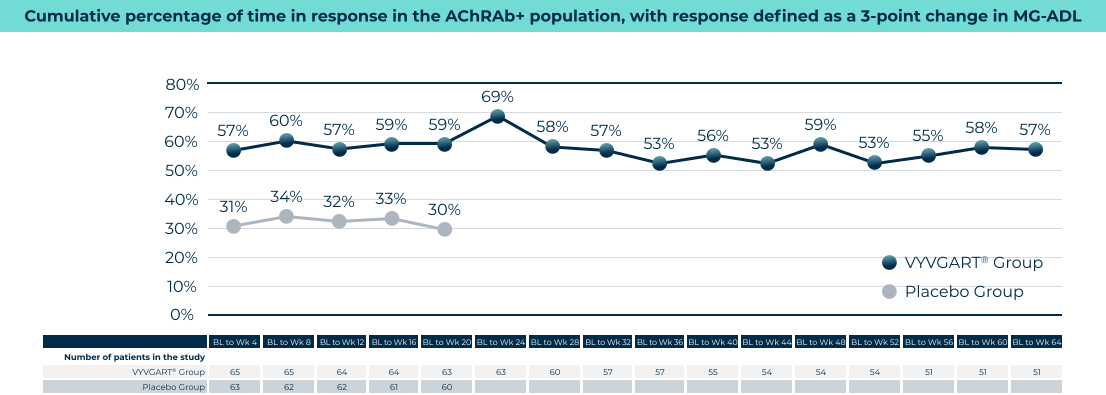
The clinical benefit of VYVGART® was sustained over repeat treatment cycles and maintained over 64 weeks.4
Study limitations: This post hoc analyses of ADAPT and ADAPT+ is exploratory, and therefore, conclusions cannot be drawn.
Data should be interpreted with caution as the assessment frequency and other aspects of the trial design limit the analysis.
AChRAb+=acetylcholine receptor antibody-positive; MG-ADL=Myasthenia Gravis Activities of Daily Living; QMG=Quantitative Myasthenia Gravis.
Real-world data
Patients with gMG were able to reduce their OCS usage (US retrospective cohort study; N=316)6*
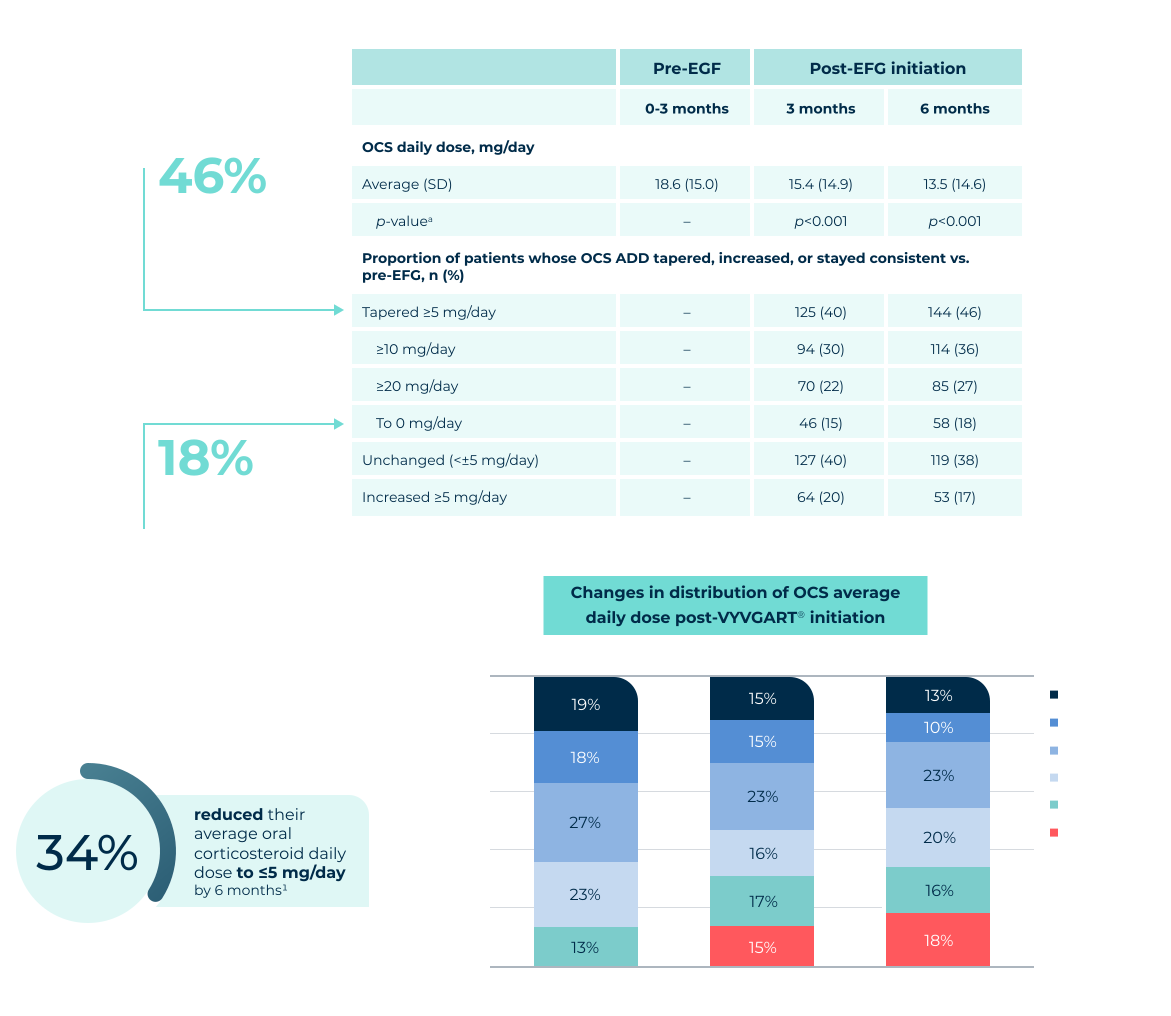
OCS usage continued to reduce significantly over 1-year post-VYVGART® initiation from baseline, while retaining expected MG-ADL response.7
- More than half (55%) of patients reduced OCS usage by at least ≥5 mg/day on average.
- 42% of patients were using OCS average daily dose of 5 mg/day or less, and 62% were using OCS average daily dose of 10 mg/day or less
ADD=average daily dose; gMG=generalized Myasthenia Gravis; MG-ADL=Myasthenia Gravis Activities of Daily Living; OCS=oral corticosteroid.
| * | Retrospective cohort study using US medical and pharmacy claims (IQVIA) covering April 2016 to November 2023. The study included 316 patients (≥18 years) with their first VYVGART® claim between January 1 and December 31, 2022, and continuous quarterly claims activity. Patients must have had at least 6 months of VYVGART® usage, evidence of chronic oral corticosteroid usage prior to VYVGART® initiation, and no concomitant use of eculizumab, rituximab, or ravulizumab with VYVGART®. The primary outcome was the change in average daily dose of OCS doses, which were converted to prednisone-equivalent strengths: 1 at 3 months (60-90 days) and 6 months (150-180 days) from baseline. |
Consistent MG-ADL responses with VYVGART® and with comparable results in patients with and without GC tapering (real-world study)7
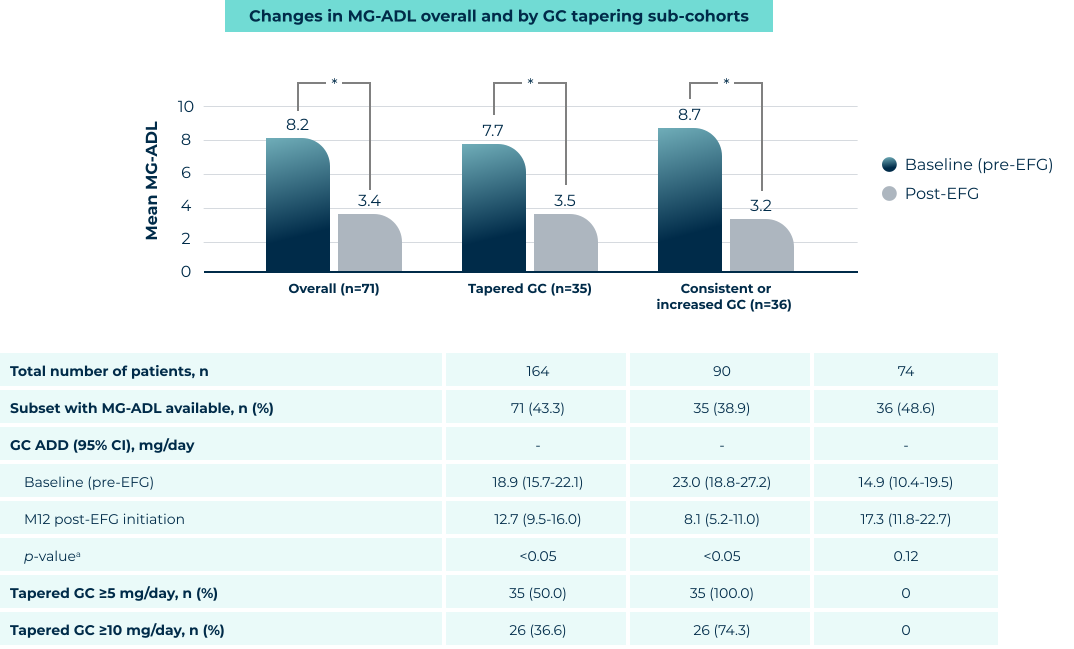
ADD=average daily dose; GC=glucocorticosteroid; MG-ADL=Myasthenia Gravis Activities of Daily Living.
Marked reduction in disease burden with VYVGART® (Italian single-center; real-world experience)8†
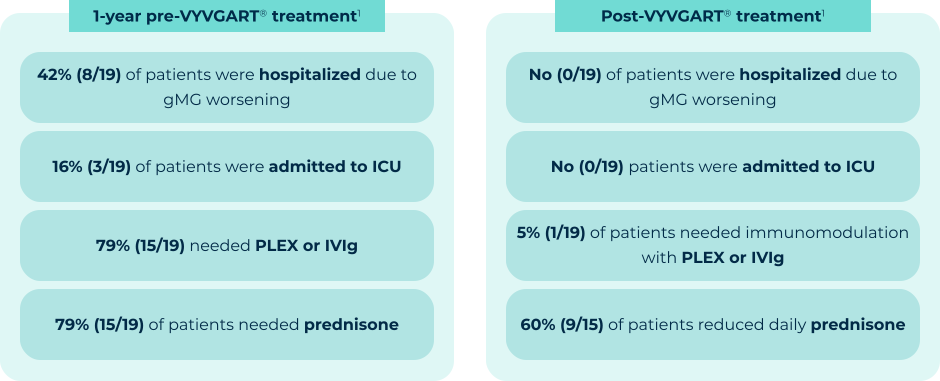
VYVGART® had a dramatic impact on the course of disease: Rates of hospitalization, ICU admission, and need for IVIg or PLEX were reduced in all patients, except one patient who required immunomodulation.1
Study limitations: This prospective study is limited by its small sample size at a single center; therefore, caution should be exercised in interpreting the results, and conclusions cannot be drawn.
gMG=generalized Myasthenia Gravis; ICU=intensive care unit; IVIg=intravenous immunoglobulin; PLEX=plasma exchange.
| † | Prospective study of 19 patients with gMG administered efgartigimod and followed from November 2021 to January 2023 (14-month follow-up period) at a single center in Milan, Italy. Patients with AChRAb seropositive (AChR-Ab+, n=8; 42.1%) or seronegative gMG were included in the study. VYVGART® is only approved for use in the AchRAb+ population in Canada.8 |
VYVGART® vs. IVIg: efficacy and safety data in elderly gMG patients (Chinese, single-center study)9‡
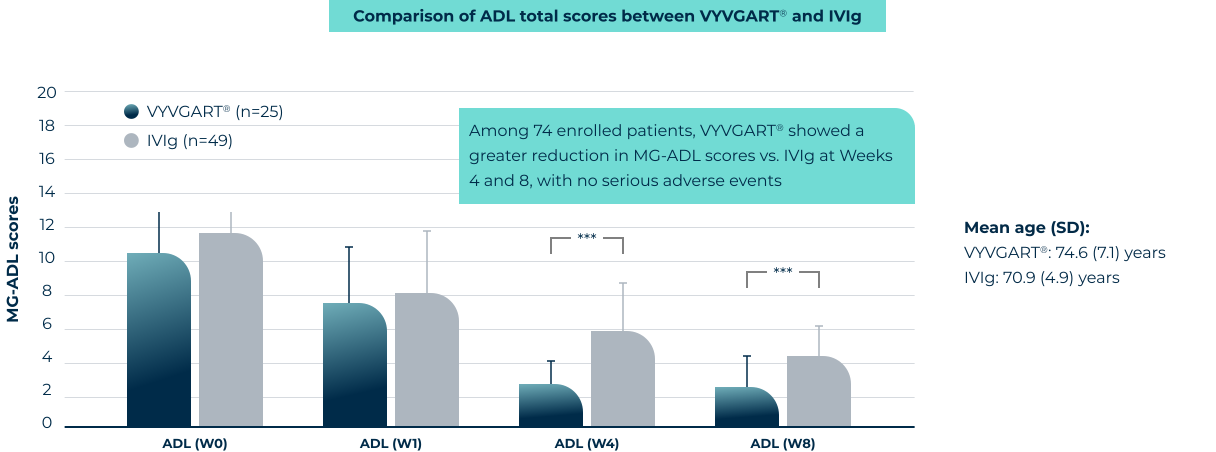
*** p<0.05 is significant
Study limitations: This prospective study is limited by its small sample size and focus on a single treatment cycle of efgartigimod with a short-term (8-week) follow-up, while the ADAPT study required patients to initiate a second treatment cycle following changes in MG-ADL scores. Therefore, caution should be exercised in interpreting the conclusions.
AChRAb+=acetylcholine receptor antibody-positive; ADL=Activities of Daily Living; gMG=generalized Myasthenia Gravis; IVIg=intravenous immunoglobulin; MG-ADL=Myasthenia Gravis Activities of Daily Living.
| ‡ | Single-center, prospective cohort study enrolled elderly patients with AChR-Ab+ gMG from the First Affiliated Hospital of Guangzhou University of Chinese Medicine from January 2024 to July 2024.9 |
References: 1. VYVGART® Product Monograph. argenx. July 17, 2025. 2. Howard JF, et al. 2021. Safety, efficacy, and tolerability of efgartigimod in patients with generalised myasthenia gravis (ADAPT): a multicentre, randomised, placebo-controlled, phase 3 trial Supplementary Appendix. The Lancet Neurology; 20(7). 3. Howard JF, et al. 2024. Long-Term Safety, Tolerability, and Efficacy of Efgartigimod (ADAPT+): Interim Results From a Phase 3 Open-Label Extension Study in Participants With Generalized Myasthenia Gravis. Front Neurol; 14, 1284444. 4. Dewilde S, et al. 2024. Post-hoc analyses from the ADAPT clinical study demonstrate aggregate sustained benefit of Efgartigimod in generalized myasthenia gravis. J Neurol Sci; 2024;466:123264. 5. CADTH reimbursement review - efgartigimod alfa. April 2024; V4(4). Available at: https://www.cda-amc.ca/sites/default/files/DRR/2024/SR0782-Vyvgart.pdf 6. Ruck T, et al. 2024, June 29-July 2. Real world reduction in oral corticosteroid utilization following efgartigimod initiation [Poster Presentation]. Presented at: 10th EAN Congress 2024, Helenski, Finland. 7. Goyal N, et al. 2024, October 15-18. Real-World Reduction in Oral Glucocorticoid Utilization at 1-Year Following Efgartigimod Initiation [Poster Presentation]. Presented at: American Association of Neuromuscular & Electrodiagnostic Medicine (AANEM) Annual Meeting, Savana, Georgia, United States. 8. Frangiamore R, et al. 2023 Efgartigimod in generalized myasthenia gravis: A real‐life experience at a national reference center. Eur J Neurol. 31(4):e16189. 9. Zhang C, et al. 2025. The efficacy and safety between efgartigimod and intravenous immunoglobulin in elderly generalized myasthenia gravis patients. Clin Immunol. 274:110457.


